Know when your system needs AC replacement in Allen TX
Your home is too hot despite the thermostat being set to 72. You hear a grinding noise from the outdoor condenser or smell something burning near the air handler. These are clear signs your current unit is failing. Getting an AC replacement in Allen TX before the July heat hits prevents emergency breakdowns when every contractor is booked.
An old air conditioner loses efficiency every year. Components wear down and refrigerant leaks become more common. You will notice your electric bills climbing while the indoor temperature stays stubbornly high.
Many homeowners wait until the system dies completely. That is a mistake. Planning a replacement allows you to shop for the right SEER2 rating and ensure the ductwork can handle a new blower motor.
Signs your AC is not cooling effectively
Air coming from the vents feels lukewarm. You notice ice forming on the evaporator coil or the copper refrigerant lines. These symptoms mean your system is struggling to move heat out of your house.
Low airflow is another red flag. If some rooms are freezing and others are ovens, your system might be undersized or the ductwork is leaking. A new system with a variable speed motor fixes these hot spots.
The age factor and repair costs
Most residential units last 10 to 15 years in North Texas. Once a system hits the decade mark, repairs become a gamble. Replacing a compressor on an old unit is a waste of money.
You have to weigh the cost of a major repair against the monthly savings of a new, high efficiency system. New units use modern refrigerants that are cheaper to source than the phased out R-22.
Choosing the right system for North Texas homes
Allen homes vary from older builds near downtown to newer estates in Watters Creek. Your choice of equipment depends on your square footage and how your home is insulated. A system that is too large will short cycle, meaning it turns on and off rapidly. This leads to high humidity and premature wear.
A system that is too small will run 24 hours a day. It will never reach the set temperature and your electric bill will spike. A professional load calculation is the only way to size a unit correctly.
Central air vs ductless mini splits
Central air is the standard for most Allen neighborhoods. It uses a network of ducts to distribute air from a single large unit. It is the best choice for whole home comfort and maintaining property value.
Ductless mini splits are better for home additions or converted garages. They allow you to cool a specific room without running new ductwork through your attic. Many homeowners use a hybrid approach, keeping central air for the main living area and mini splits for a home office.
Understanding SEER2 ratings
SEER2 measures the cooling efficiency of your system. A higher number means the unit uses less electricity to move the same amount of heat. In Texas, choosing a higher SEER2 rating pays off quickly because of the long cooling season.
Do not just buy the highest number available. Look at the break even point. If the price jump to a super high efficiency unit is massive, it might take ten years to recover that cost in energy savings.
The installation process and common pitfalls
A bad installation ruins a great piece of equipment. Many companies just swap the old box for a new one. This is a mistake. They should check your static pressure and ensure the ducts are not leaking air into your attic.
Proper installation includes a new filter drier and a fresh vacuum pull. This removes moisture and non condensables from the refrigerant lines. If a technician skips the vacuum pump, your compressor will fail years early.
Evaluating your existing ductwork
New high efficiency blowers move air differently than old ones. If your ducts are too small, the system will be noisy and inefficient. You might feel a whistling sound at the registers.
Check for crushed flex ducts in the attic. This is common in older Allen homes. Replacing the AC without fixing the ducts is like putting a racing engine in a car with flat tires.
Setting up the outdoor condenser
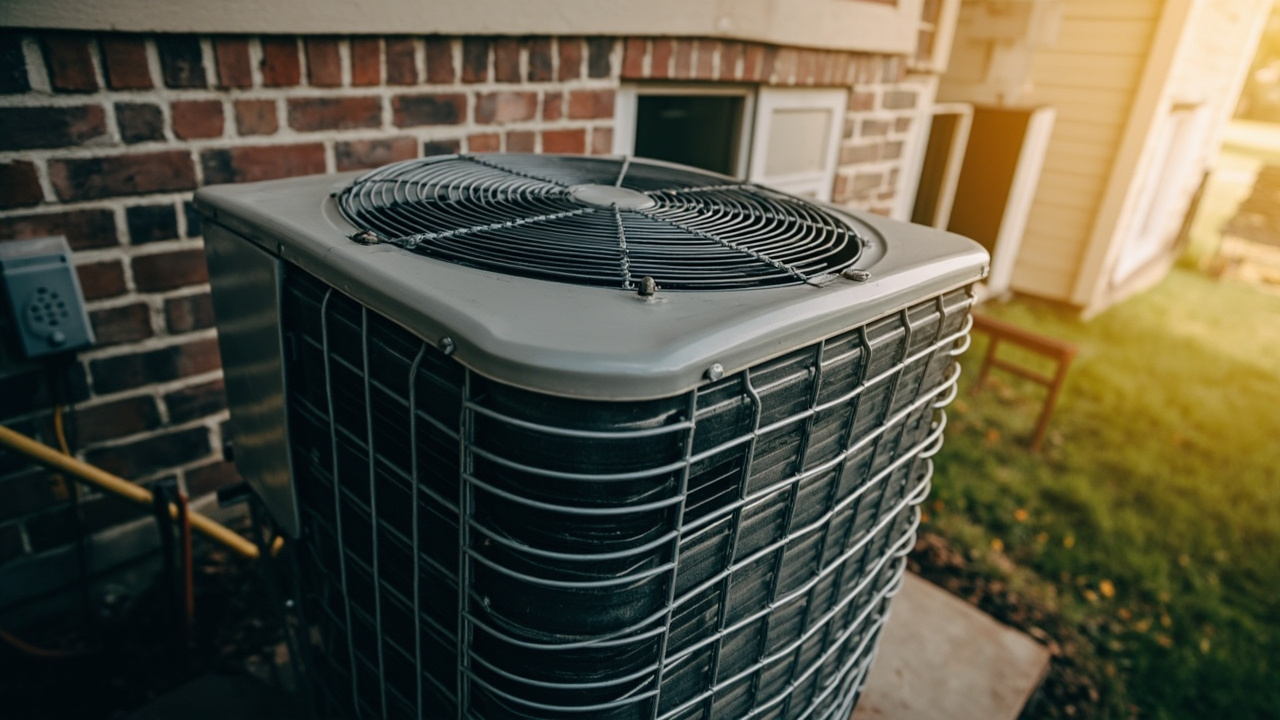
The outdoor unit needs a level concrete pad. If it tilts, the oil in the compressor will not distribute evenly. This leads to mechanical failure.
Clear all brush and debris from around the unit. Airflow is everything. If the condenser is choked by overgrown shrubs or fence panels, it cannot dump heat, and your AC will not cooling your home.
Managing costs and financing your new AC
Replacing an AC system is a significant investment. Costs vary based on the tonnage of the unit and the complexity of the installation. A 3 ton unit costs less than a 5 ton unit.
Labor costs also fluctuate. A simple swap is faster than a full system redesign that includes new return air vents.
Energy efficiency and long term savings
A new system reduces your monthly utility bill. Old units often leak refrigerant or have failing capacitors that draw more power. Modern units use inverter technology to maintain a steady temperature rather than blasting air and shutting off.
This stability reduces wear on the motor. You spend less on annual maintenance and avoid the stress of a midnight breakdown in August.
Local rebates and incentives
Check for utility rebates through your energy provider. Some programs offer cash back for installing high SEER2 equipment. These incentives make the transition to a more efficient system more affordable.
Federal tax credits may also apply to certain high efficiency heat pumps. These can significantly lower the net cost of your AC replacement in Allen TX.
Maintaining your new system for longevity
The biggest killer of new AC systems is a dirty filter. A clogged filter restricts airflow, which causes the evaporator coil to freeze. This puts immense pressure on the compressor.
Change your filters every 30 to 90 days. If you have pets or allergies, do it more often. Use a pleated filter, but do not buy the overly thick ones that restrict too much air.
The importance of annual tune ups
Schedule a professional tune up every spring. A technician will check refrigerant levels, clean the condenser coils, and test the capacitor.
Cleaning the outdoor coils removes pollen and dust. This allows the system to shed heat more efficiently. A clean system runs shorter cycles and lasts longer.
Managing humidity in Allen
Texas humidity makes 90 degrees feel like 100. Your AC does not just cool the air, it removes moisture. If your system is oversized, it will cool the room quickly but leave the air feeling damp.
Ensure your thermostat is set to the correct fan mode. Using the auto setting allows the system to remove more humidity than the on setting.
Common AC replacement questions
How do I know if I should repair or replace my old air conditioner?
Look at the age and the cost of the repair. If the unit is over 12 years old and needs a compressor or coil, replace it. If it is a simple capacitor or contactor replacement, a repair is fine.
Why is my new AC not cooling as well as the old one?
This usually happens because of incorrect sizing or ductwork issues. If the unit is too large, it short cycles and fails to dehumidify. If the ducts are leaking, the cold air is escaping into the attic before it reaches your rooms.
What is the best brand for the Allen climate?
Stick with brands that have a strong local dealer network. You need a company that can get parts quickly during a heatwave. Most major brands perform well if they are sized correctly and installed properly.
How long does a typical installation take?
A standard replacement usually takes one day. The crew removes the old equipment, installs the new condenser and coil, and tests the system. Complex jobs involving ductwork may take two or three days.
Summary of AC replacement steps
Replacing your air conditioner is about more than just buying a new machine. It starts with a proper load calculation to determine the right tonnage for your home. You must evaluate your ductwork to ensure it can handle the airflow of a modern system.
Choose a SEER2 rating that balances your upfront cost with your monthly energy goals. Ensure your installer performs a proper vacuum pull and levels the outdoor pad. Once installed, maintain the system with regular filter changes and annual professional tune ups.
Taking these steps ensures your home stays cool during the most brutal Texas summers. It protects your investment and keeps your energy bills manageable for the next decade.
Leave a Reply